
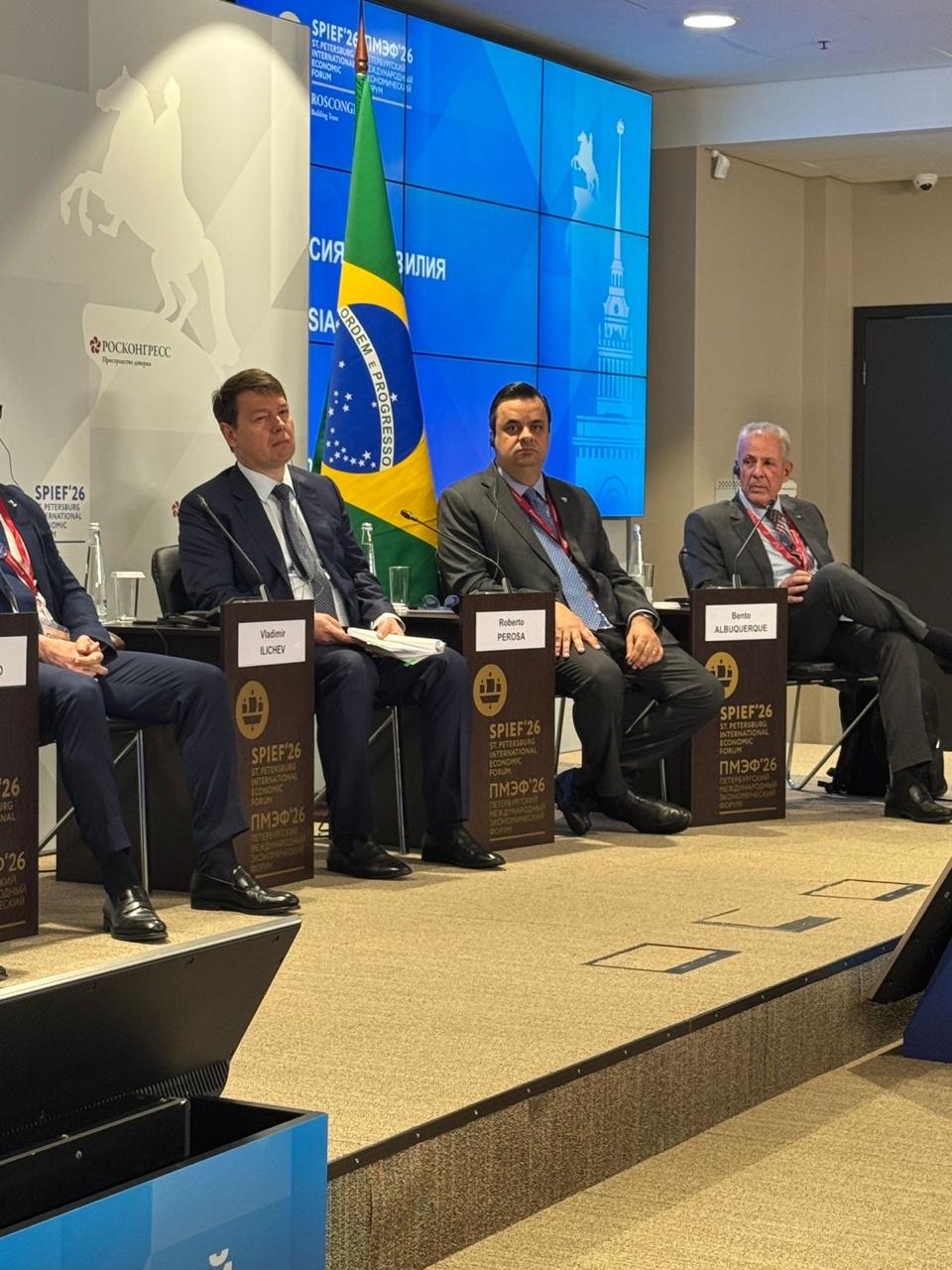
“Brazil and Russia share some similar strategic characteristics: they are countries of continental dimensions, large producers of energy and minerals, holders of abundant natural resources and with a relevant role for global energy and food security. Just as Russia has transformed its energy resources into one of the pillars of its economic and geopolitical influence, Brazil meets conditions to broaden its international presence from its competitive advantages in energy, mining and agriculture.”
The statements are from the former Minister of Mines and Energy and Chairman of the Board of Directors of NPEPar – Nucleo Brasil Energia Participações, Bento Alburquerque, in advocating the expansion of the partnership between Brazil and Russia in various sectors, during the Brazil-Russia Business Dialogue, at the International Economic Forum of St. Petersburg, on June 3, 2026. He highlighted concrete opportunities for cooperation between the two countries in oil and gas, liquefied natural gas (LNG), refining, petrochemical, logistics and low-carbon fuels, as well as mining and the nuclear sector.
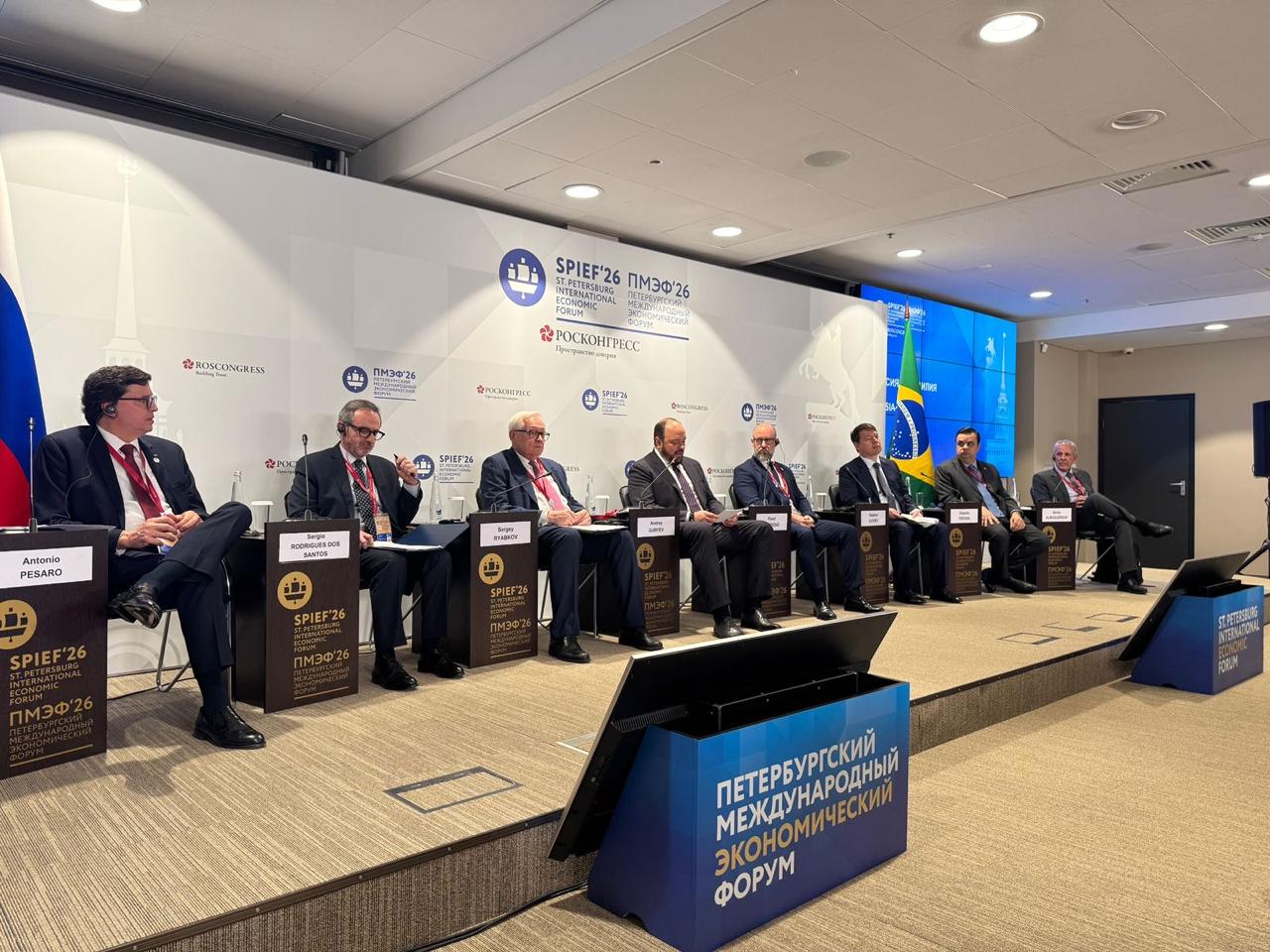
In the case of mining, Bento Albuquerque emphasized that Brazil already occupies a global prominent position with iron ore, but has even greater potential in so-called critical and strategic minerals, fundamental to the world energy transition. Lithium, nickel, graphite, rare earths, phosphate, potassium and uranium put the country in prime position to integrate global supply chains, attracting investments in processing, technology and value aggregation. For the former minister, Brazil can consolidate itself as a stable and reliable platform for industrial development associated with the new low-carbon economy.
Fertilizers is another sector that could be the subject of a strong partnership between Russia and Brazil. According to Bento Albuquerque, Brazil is a global agricultural powerhouse, but it still imports about 90% of fertilizers, including 93% of nitrogen, 97% of potassium and 76% of phosphate. “Brazil has mineral resources, natural gas potential, agricultural demand and industrial scale. Russia has experience, technology and global relevance in fertilizers and energy inputs. Together, we can work to transform this dependence into productive cooperation, investment and industrial development,” he explained.
Another highlight of the speech was nuclear power. The executive recalled that Brazil has accumulated more than seven decades of research and more than 40 years of operation of nuclear power plants, in addition to maintaining a solid cooperation with Russia in this area since 1994. He argued that the expansion of nuclear energy — including large reactors, small modular reactors and microreactors — will be essential to ensure firm, clean and reliable energy to the country. In his view, the combination of abundant natural resources, energy potential
diversified, robust domestic market and strategic international partnerships puts Brazil in the face of a historic opportunity to accelerate its economic and technological development in the coming decades.